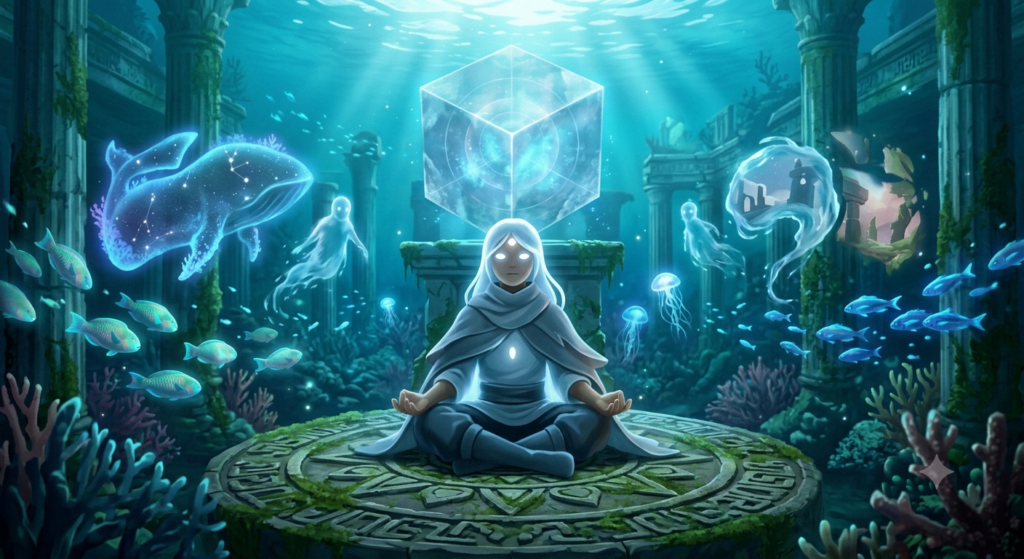
Meditation Wisdom

subconscious mind

The Power of the Subconscious Mind

The Power Of The Subconscious Mind Have you ever noticed that some individuals attract success, happiness, and opportunities effortlessly, but others have to strive for them and still cannot achieve it? Why is it so difficult to overcome some habits, but so easy to acquire new ones? You may find the answers to those questions in one of the strongest inner powers that you possess – the subconscious mind. The subconscious mind is an invisible operating system that operates constantly in the background of your life, and affects all of your thoughts, feelings, behavior, decision making, beliefs and even perception of reality. Although most people spend their entire lives being unaware of the immense power of their subconscious mind, it actually governs virtually all aspects of their lives. Spiritual teachings, psychologists, successful businessmen, athletes and self-developers share one idea – if you learn to work together with your subconscious mind rather than against it, nothing can stand in the way of your transformation into something better. In this article, you will learn about the nature of the subconscious mind, its functioning, immense impact on your life and methods to tap into its immense potential. What Is the Subconscious Mind? There are two components in the human mind: 1. Conscious Mind The conscious mind is the component of the human mind which is used for logical thinking, making decisions, and reasoning. The mind which works while reading a book or making a conscious decision is called the conscious mind. 2. Subconscious Mind The subconscious mind works under the conscious level of the human mind. The mind stores memory, feelings, habits, beliefs, experiences, and learned behaviors. This mind works throughout the day, whether you are sleeping or awake. An example of an iceberg floating in the sea can be used to explain the human mind. The top of the iceberg is the conscious mind, and the large base of the iceberg under the water is the subconscious mind. The part that cannot be seen controls the movement of the iceberg. Why the Subconscious Mind Is So Powerful The subconscious mind is very potent because it receives whatever information is impressed upon it multiple times and uses this information to make a reality of it through actions and decisions. For instance: It does not matter whether the information is true or false to the subconscious mind; the subconscious will accept whatever it is being told over and over again. The Subconscious Mind Controls Habits Have you ever found yourself driving somewhere familiar and then find out you barely remembered the trip? It is because of your subconscious doing its job. Habits are subconscious programs. Whenever an action is performed often enough, the subconscious records it and executes it automatically. Examples include: At the same time, negative habits like: The good thing about all this is that whatever you have learned subconsciously, you can always replace with something better. The Connection Between Beliefs and Reality One of the most interesting things about our subconscious minds is how they affect our beliefs. Our beliefs are filters through which we see the world around us. Think of two people who applied for the same job: Person A Believes:“I am able and worthy.” They step into the interview room confidently and make an excellent impression. Person B Believes:“I will fail every time.” They go into the interview feeling nervous and insecure. Both were in identical situations, but their beliefs subconsciously influenced their actions. Many times, success does not depend on what is going on outside, but inside us. The Role of Visualization Visualization techniques are widely used by many professional sportspeople, performers, and successful people. Visualization is about making mental images of desired results. The more one imagines him/herself having achieved something, the more familiar this process becomes for the subconscious mind. For instance: Studies have found out that visualizing results can stimulate the same areas of the brain as performing some actions. Subconscious mind reacts powerfully to emotionally charged images. The Power of Positive Affirmations Affirmations are positive statements made in a consistent manner to affect subconscious beliefs. For example: While many people do not take affirmation seriously due to its simplicity, it is the power of repetition that helps the subconscious learn. Negative beliefs formed after years of thinking negatively can be countered by positive statements when made consistently over time. The main thing is repetition with emotion and belief. How Emotions Influence the Subconscious Mind The subconscious is more affected by emotion rather than logic. Think of some memorable moments of your past. These will be emotionally charged events: Emotions work as markers for the subconscious mind. With every thought that is emotionally charged, it becomes deeply imprinted. This is why fear, joy, love, thankfulness, and enthusiasm affect the subconscious programming greatly. In order to produce positive transformation, merge your goals with positive emotions. Do not only picture success—feel it. Do not just envision happiness—feel the emotion mentally. Emotions make intentions powerful. The Subconscious Mind and Self-Confidence One is not born with confidence. It is mainly subconscious programming. Individuals who look naturally confident would have subconsciously programmed themselves with: For those lacking confidence, there could have been negative experiences that made them subconsciously program themselves with limitations. Fortunately, subconsciously programmed beliefs can be altered. Every little achievement, affirmative statement, and bold step sends a message to the subconscious mind that says: I can do it. Gradually, one will have become naturally confident. The Importance of Sleep Sleep is an essential element of sub-conscious programming. Prior to sleep, the conscious mind slows down, making the sub-conscious open to influences. That is why most personal growth coaches advise people to: The last thoughts that you have prior to sleep usually affect your subconscious mind while sleeping. In the same way, the initial minutes when waking up can affect your mentality during the entire day. Take good care of these minutes. Practical Ways to Harness the Power of the Subconscious Mind 1. Listen To Your Self-Talk

The Power of the Subconscious Mind Read More »

Best Meditation Books

Best Meditation Books​

Best Meditation Books Meditation has been practiced in India since time immemorial, long before it became a popular trend throughout the world. The great yogis and masters from ancient times discovered the depths of the human mind and shared their knowledge about how one can attain enlightenment through meditation and other spiritual practices. For those interested in meditation, books can be wonderful sources of information and insight. Books provide readers with both theoretical and practical knowledge of meditation. Among the huge number of spiritual books, there are some works that can be called outstanding for their invaluable spiritual lessons. This article will highlight the three best books on meditation written by Indians. These include Autobiography of a Yogi written by Paramahansa Yogananda, Meditation: The First and Last Freedom written by Osho, and Living with the Himalayan Masters by Swami Rama. 1. Autobiography of a Yogi by Paramahansa Yogananda About the Book Originally published in 1946, the book ‘Autobiography of a Yogi‘ by Paramahansa Yogananda can easily be considered among the most powerful spiritual literature written till date. The book talks about the amazing life journey, spiritual experiences, interaction with saints and yogis and finally about his mission for spreading yoga and meditation practices in the West. This book explains deep spiritual ideas through the medium of autobiography. What You’ll Learn The deeper purpose of meditation and yoga. The importance of self-realization. Lessons from India’s great spiritual masters. The relationship between spirituality and daily life. How disciplined meditation can transform consciousness. Why It’s a Must-Read This book has touched the lives of millions of people around the world and is considered an eternal source to understand Indian spirituality. This book gives practical insights as well as inspirational stories to guide readers towards a deeper practice of meditation. Best For People who are spiritually inclined. Readers looking for some inspiration. Those interested in yoga and meditation. 2. Meditation: The First and Last Freedom by Osho About the Book The meditation guide, “Meditation: The First and Last Freedom” written by Osho, can be classified as the most practical meditation manual of today. Unlike other conventional meditation books that are not much related to the problems of contemporary men, this manual talks about meditation in terms of freedom, consciousness, and evolution. It contains many types of meditations that suit the personality and lifestyle of different people. What You’ll Learn Why meditation is essential in modern life. Different meditation methods and practices. How to overcome mental restlessness. Techniques for cultivating awareness. Ways to experience inner silence and clarity. Why It’s a Must-Read The challenge with meditation is that many people cannot cope with conventional methods owing to their stressful lifestyle and restless minds. Osho provides guidance which is practical and useful to anyone who wishes to learn about it. Best For Meditation beginners. Busy professionals. Readers looking for practical meditation techniques. 3. Living with the Himalayan Masters by Swami Rama About the Book In Living with the Himalayan Masters, Swami Rama shares extraordinary experiences from his years of training under revered Himalayan sages. Through fascinating stories and spiritual lessons, readers gain insight into the wisdom, discipline, and transformative power of authentic meditation practices. The book blends autobiography, spirituality, and meditation teachings into an inspiring narrative. What You’ll Learn The value of spiritual discipline. Ancient meditation traditions of the Himalayas. Lessons from enlightened masters. Techniques for self-awareness and inner growth. The connection between meditation and higher consciousness. Why It’s a Must-Read The book provides an unusual insight into the realm of Himalayan mysticism. While the narratives are enchanting, the lessons learned make one realize that meditation should be taken with seriousness, commitment, and honesty. Best For Spiritual seekers. Readers interested in Himalayan wisdom. Those looking for deeper meditation insights Final Thoughts The practice of meditation is not just an exercise, but a path of discovering oneself, gaining knowledge, and transforming within. The lessons from spiritual gurus from India are as inspiring now as they were years ago and still relevant to all generations. In case you would like to learn more about meditation through the books written by Indians, Autobiography of a Yogi, Meditation: The First and Last Freedom, and Living with the Himalayan Masters are great starting points. These meditation books have something valuable to offer to every reader. Both beginners and experienced practitioners will find plenty of useful information in each of these meditation books. Frequently Asked Questions (FAQs) 1. Which meditation book would you recommend for the novice meditator? The book entitled ‘Meditation: The First and Last Freedom’ authored by Osho is suitable for those just starting out in their journey. 2. Is ‘Autobiography of a Yogi’ a meditation book? Though the book is not strictly a book on meditation, it is filled with deep insights regarding the same. 3. What is special about ‘Living with the Himalayan Masters’? This book tells you about the process of spiritual learning from some of the Himalayan masters of meditation and yoga. 4. Would reading any books on meditation help me in my meditation process? Yes, books on meditation will give me information, motivation, and techniques which would benefit me in my practice of meditation. 5. What book should I read first? I think ‘Meditation: The First and Last Freedom’ is more suited for the beginner whereas ‘Autobiography of a Yogi’ can be chosen by the spiritually inclined reader.

Best Meditation Books​ Read More »

What Is Meditation

What Is Meditation?

What Is Meditation? A Beginner’s Guide to Find Inner Peace and Mental Clarity Today life is moving fast and there are so many things to think about including work, responsibilities and social networking. Because of this a lot of people are feeling really stressed out and anxious. Meditation is a way to take a step back from all the craziness and focus on yourself. So is meditation for people who are into spiritual stuff and want to meditate? No it is not. Anyone can learn how to meditate no matter how old they are or where they are from. Meditation is, for everyone. In this eBook you will learn what meditation is, how it works and what good things come from doing meditation. You will also learn about the types of meditation that exist and how to start meditating. Meditation is something that can help you and this eBook will show you how to get started with meditation and make it a part of your life. What Is Meditation? It is an activity that entails focusing the mind in order to increase awareness and achieve a calm state of mind. One of the common misconceptions about meditation is that it entails stopping the mind from thinking at all. This is not the case since meditation actually entails observing one’s own thought processes without any form of judgment and directing one’s mind back to the focus chosen. Mediation is practiced in several spiritual and religious traditions worldwide. Some of the traditions include Buddhism, Hinduism, Taoism, and others. Why Is Meditation Important? Most individuals live their lives responding to stimuli on an involuntary basis, frequently being overcome by emotions, stress, and mental noise. Through meditation, one is able to introduce a space between stimulus and response, enabling him/her to respond instead of react. Regular meditation can help: Reduce stress and anxiety Improve focus and concentration Increase self-awareness Enhance emotional well-being Promote better sleep Support spiritual growth Improve overall mental health In a world filled with distractions, meditation provides a valuable opportunity to slow down and reconnect with yourself.   How Does Meditation Work? The brain is always thinking. Studies show that there are thousands of thoughts produced every day by an individual; the majority of these thoughts may be repetitive and/or negative in nature. Meditation helps sharpen your mental capabilities through focusing on something else other than the millions of thoughts inside the brain. In essence, when the mind begins to wonder, the meditation allows you to bring it back to what you are focused on. Meditation is like working out your mind. Benefits of Meditation 1.  Reduces Stress The need to reduce stress is another top reason why people start meditating. Meditation initiates the body’s relaxation response that allows reducing levels of tension and calming the nervous system. 2. Improves Focus & Concentration By practicing meditation, people learn to be more focused. Thus, they improve their productivity and concentration skills. Those who have problems with focusing will particularly appreciate this benefit. 3.  Allows Having a Good Night’s Sleep Inability to relax before bedtime is often caused by a busy mind. Meditative practices promote relaxation and allow sleeping better and longer. 4. Promotes Spiritual Development Spiritual growth is another important part of meditation. Those people who use meditation for spiritual development experience better connection with their inner self and understand the sense of life better. Frequently Asked Questions (FAQs) 1. What is meditation in simple words? Meditation is when you focus on what’s going on inside you right now. You pay attention to your thoughts and feelings. This helps you feel calm and peaceful. Meditation is about being in the moment. 2. How long do beginners meditate? When you start meditating you can begin with sessions. Beginners usually meditate for 5 to 10 minutes each day. As you get better at meditation you can meditate for periods of time. 3. Can meditation help you cope with stress? Yes meditation can definitely help you deal with stress. Meditation helps lower your stress levels. It makes you feel more relaxed and calm. Meditation helps you balance your emotions. 4. Is meditation an activity? Meditation has been a part of spiritual practices for a long time.. Meditation itself is not a religious thing. You can meditate without being part of any religion. Meditation is about finding peace and calm inside yourself. 5. Which form of meditation is best for beginners? If you are new to meditation you might want to try breathing meditation or guided meditation. These types of meditation are great, for beginners. Breathing meditation and guided meditation are easy to follow and understand. They can help you get started with meditation.

What Is Meditation? Read More »